Nostalgia at a Price
Global brands are taking everyday Indian snacks, giving them fancy names and selling them back to us at an expensive price. From chai to panipuri, our own flavors are being marked as exotic, but do we really need to pay extra for the nostalgia?
By Paree Rastogi
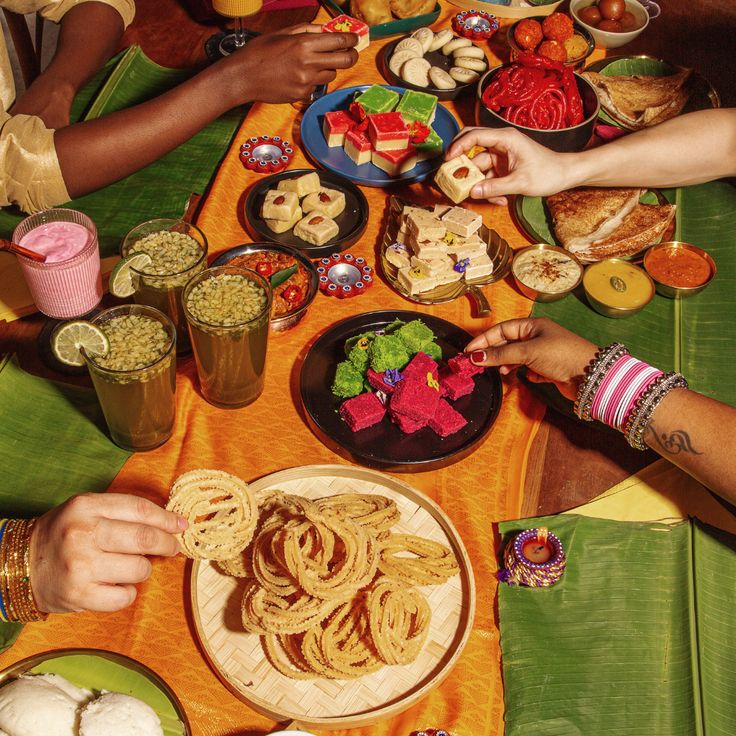
Colourful Indian feast
Courtesy- Cookpad.com
Walk into a fancy store, and you might find Panipuri chips for ₹300 or a Chailatte for ₹400. What once was an everyday snack is now a premium product, thanks to global brands repackaging our favourites and selling them back to us at an absurd price.
Take chai, for instance. For generations, it has been part of Indian households, enjoyed for just a few rupees. But now, Starbucks has turned it into a Chai Tea Latte, making it unnecessarily expensive. The same goes for bhujia and khakhra, which are suddenly being labelled as “superfoods” and sold in chic packaging with premium price tags.
“I think it’s great that Indian flavours are receiving global attention. I tried Walkers’ poppadom crisps, and they were actually good. But what bothers me is when they take something as simple as haldi doodh and call it a Golden Latte for ₹400. It’s like they just discovered something we have been drinking for ages and decided to make it fancy,” says Ananay Shankar a 23-year-old doing B.A. (hons) in English from Ashoka University, Sonipat.
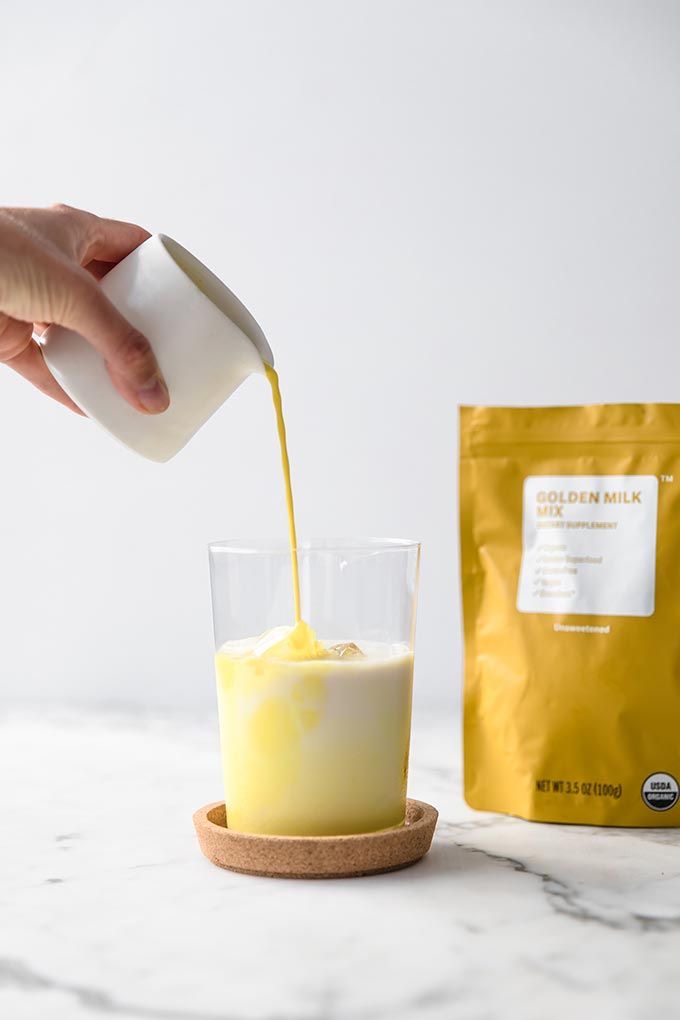
Courtesy- Golden milk
Brands like Pringles have introduced Tandoori chicken and Spicy Indian curry flavour chips, while Kettle chips sell mango chutney crisps at premium prices. Also, the UK based brand Walkers has launched a Poppadom crisps range, turning our classic pappads into a gourmet snack.
Even street food hasn’t been left alone. A simple golgappa plate that costs around ₹30 is now being turned into Spiced water balls or fusion street bites at restaurants for ten times the price. Same with how aam papad is now being sold as Organic Mango leather roll up.
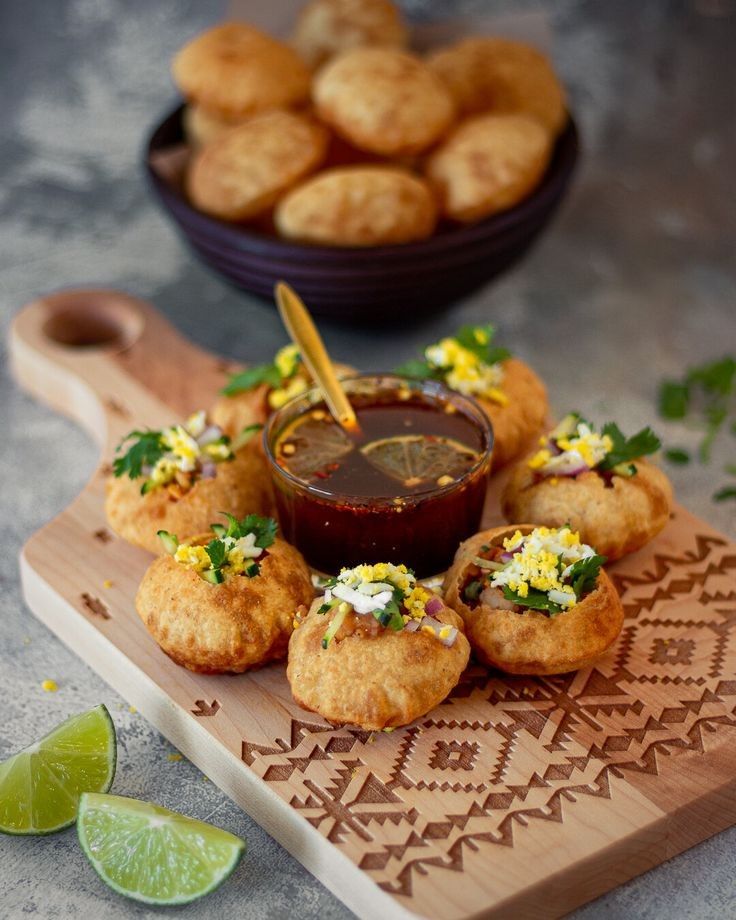
Courtesy- Foodie trail
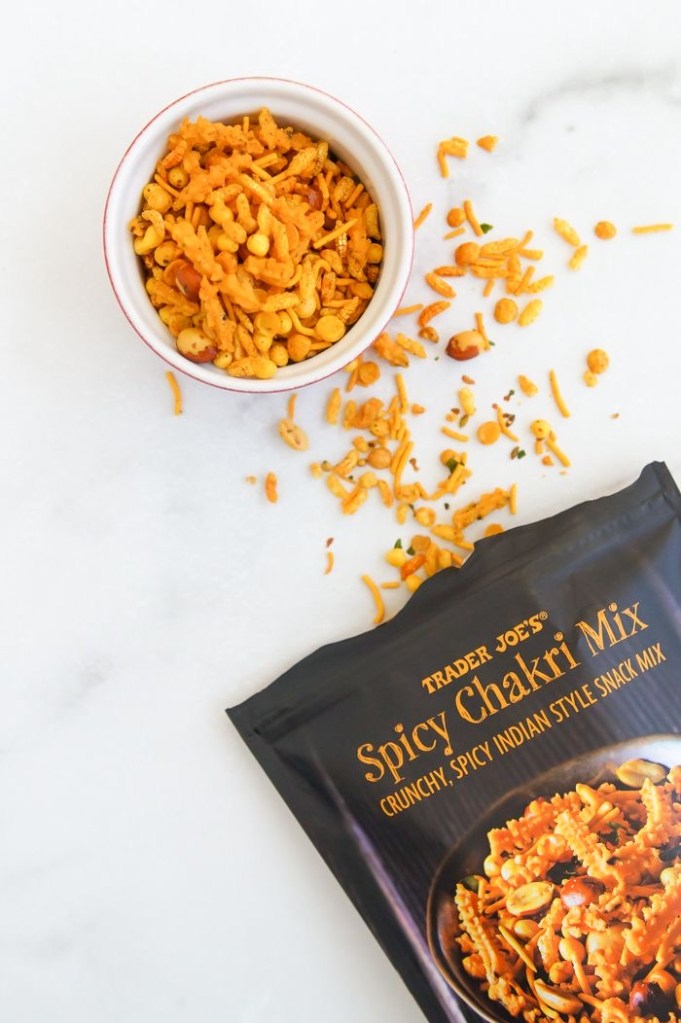
Courtesy- tradersjoe
“It’s all a marketing strategy, sleek packaging and a foreign name make anything premium. I tried Trader Joe’s spicy chakri mix for ₹3000, and it wasn’t even that good. We get better, fresher ones for way less,” says Kashish Goyal a 22-year-old Fashion Design major at Pearl Academy Delhi.
These brands have essentially taken familiar Indian flavours, given them a western twist, and repackaged them as gourmet treats often at double or triple the price of our local alternative. While it is exciting to see Indian flavours gaining global recognition, the irony is hard to ignore. These snacks have been part of our culture for centuries, yet now we are being asked to pay more for the same things just because they come with foreign packaging.
 THIRDRAFT