Slang Game
Brands are speaking Gen Z, but are they slaying it or just trying too hard? Is it genuine engagement or another desperate trend chasing strategy?
By Paree Rastogi
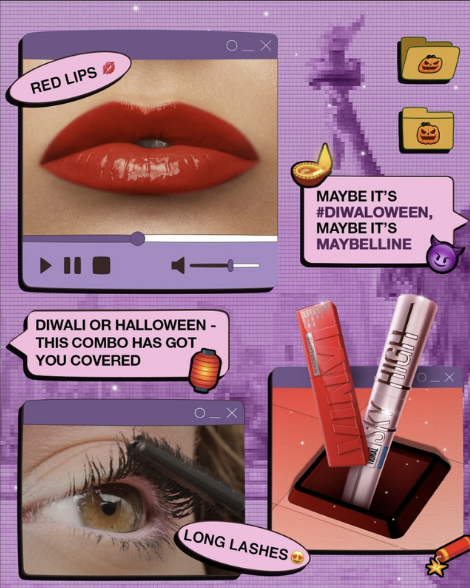
Maybelline Slang Poster Courtesy Maybelline
Brands are now sliding into our timelines, sounding less like corporations and more like that one friend who always speaks in internet language. They are swapping formal messaging for slang filled, conversational tone, making marketing feel less like a sales pitch, and more like a fun chat.
Zomato, for instance, has mastered this approach. A push notification saying “POV- You said diet starts tomorrow but biryani just entered the chat. Slay or betray?” instantly grabs attention, making the brand feel like a friend in the group chat. Blinkit takes the similar route, turning everyday shopping experience into a meme worthy with product descriptions like “Maggi with extra rizz” or “This chocolate has main character energy”.
“Honestly, some brands like Zomato or Blinkit get it right. Their notifications feel like a friend sending a meme. But others try too hard, and if it doesn’t feel natural, it just comes off as cringe,” says Suwani Aggarwal a 20-year-old fashion designing major at Pearl Academy Delhi.
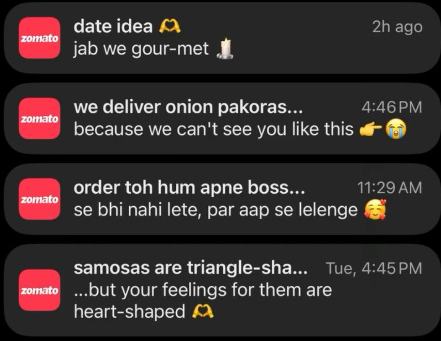
Courtesy- Pinterest
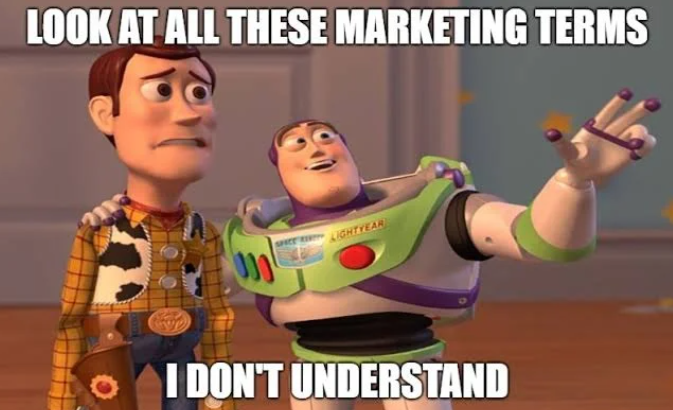
Courtesy- gify.com
It’s not just the food delivering apps hopping on the trend. Dunzo, known for its quirky marketing has used phrases like “Running out of coffee? Big L.” (where Big L means a major loss or failure). Even Paytm has jumped in, using “No cap, this cashback deal is fire,” in its promotional campaigns. But is all this slang actually working? Or is it just a short-lived gimmick?
“Brands should use slang only if it fits their image otherwise it feels forced. Plus, slang changes so fast, what’s cool today might feel forced tomorrow, making it hard to keep up without looking out of touch,” says Ridhi Mittal a 20-year-old Textile design major at Pearl Academy Delhi.
While this strategy might help brands connect with younger audiences, excessive use of it can sometimes feel forced. If not used naturally, it risks making brands out of touch rather than relatable. The key is using slang in a way that aligns with brand’s personality rather than just following trends
 THIRDRAFT